Featured image: The Appalachians, courtesy of vt.edu
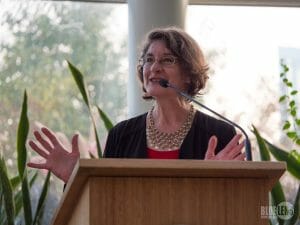
Jessica Taylor has been conducting interviews in the Appalachian mountains of the Eastern United States. A region that has fueled the United States’s twentieth-century industrialization and militarization through its natural resources – most famously, coal – the region is also well-known for iconic national moments of organizing against environmental, health, and labor inequities.
These interviews, with people who have joined Transition Town chapters in the past, demonstrate how organizers borrow ideas from Transition Town leaders in the UK and US to use while addressing related problems affecting many Appalachians, like food insecurity and occupation-related health issues.

As activist and professor Patricia DeMarco stated in her interview, “One of the things that I do is teach systems, and help people understand the interconnectivity of these issues, that you can’t just solve one all by itself and think you’re done. They’re interconnected and we’re really looking at changing the systems, the underlying way we do things. That’s why I like to talk about transformation and not transition. We’re long past the time of a transition.”
Accordingly, these narrators are often involved in a host of organizations and fold organizing around the Transition Town model into other regional initiatives from constructing community gardens to halting construction of a petrochemical hub. While Transition groups have been active in limited areas of the region, and for limited periods of time, their presence reflects a longstanding and broad tradition of imagining a sustainable and just future. Virginia Tech, where Taylor is an assistant professor in the history department, is a public university in southeastern Appalachia. The VT Center for Oral History will document and archive ten of these oral histories about the Transition movement.