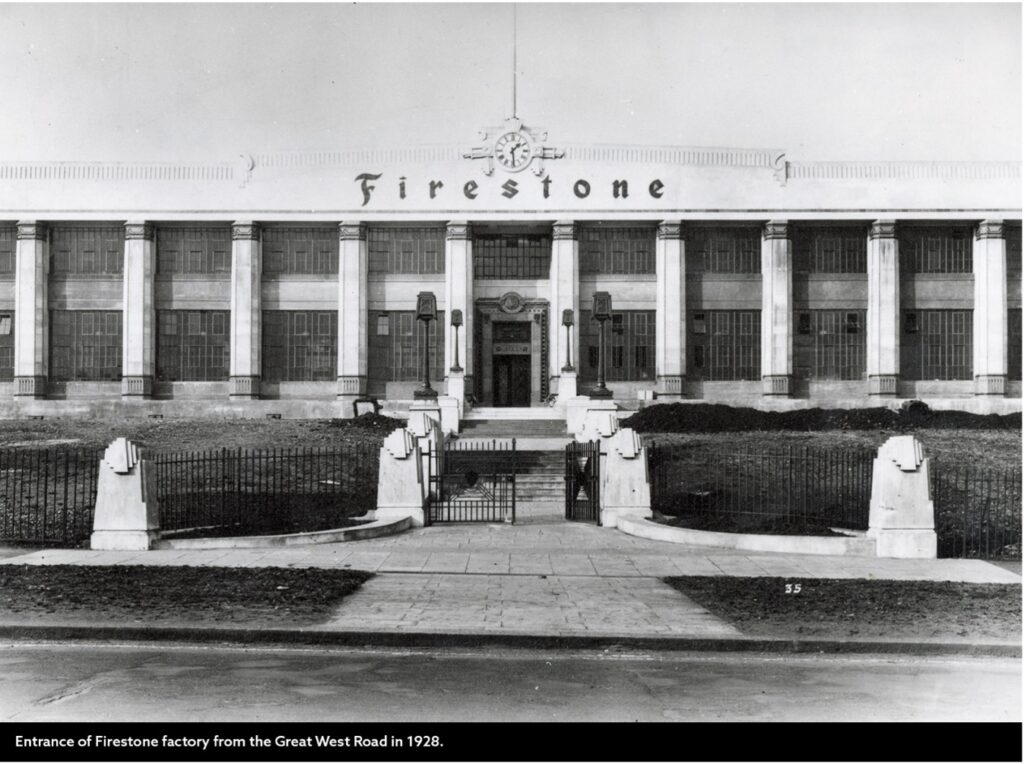
In 2022 Gunnersbury Park Museum (a recently renovated museum in a Grade II* listed heritage park) won an Everyday Heritage grant from Historic England. The project aimed to explore the impact of heavy industry on life in West London through the stories of three buildings and the people who worked in them; the Firestone Factory and Trico Factory on the Great West Road and the AEC factory in Southall.
All three factories were founded in the late 1920s and all had closed down by the early 1990s but each of them had an interesting story.
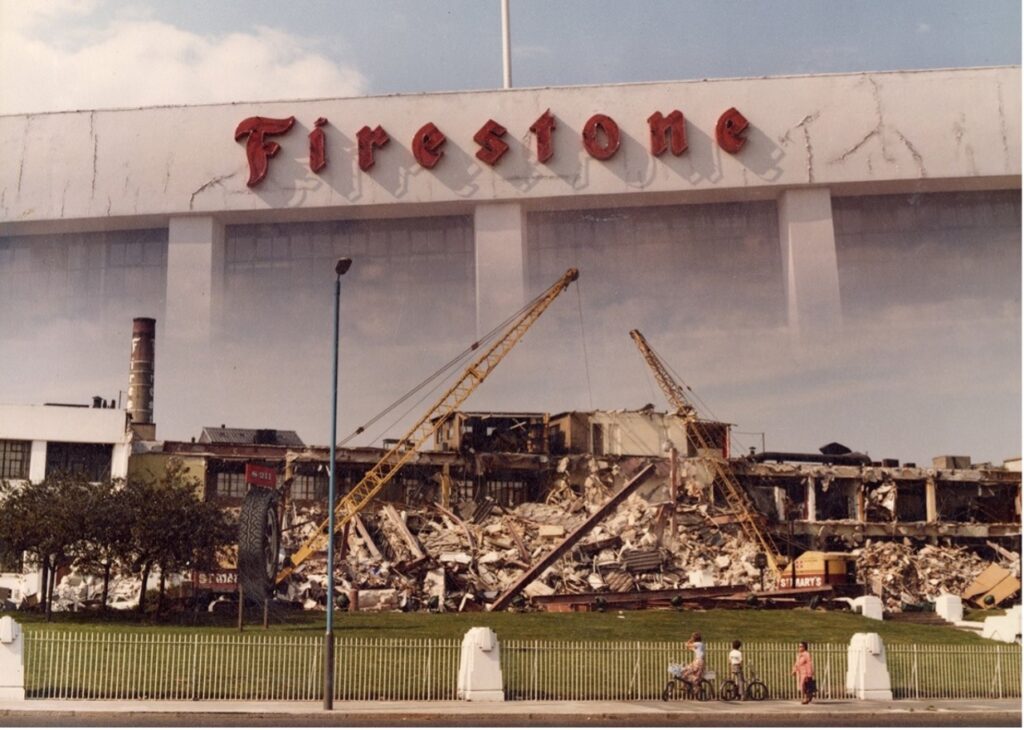
Firestone, an American tyre manufacturer, was housed in an impressive art deco building for which listed status was being sought. However, the developers who bought the building when the factory closed, sent in the bulldozers over August bank holiday weekend in 1980 and demolished the building just before listing could take place. The demolition of the Firestone Factory focussed attention on the need to preserve 20th century architecture and led directly to a large number of buildings, such as Battersea Power Station and the Hoover Building in Perivale, being given listed status.
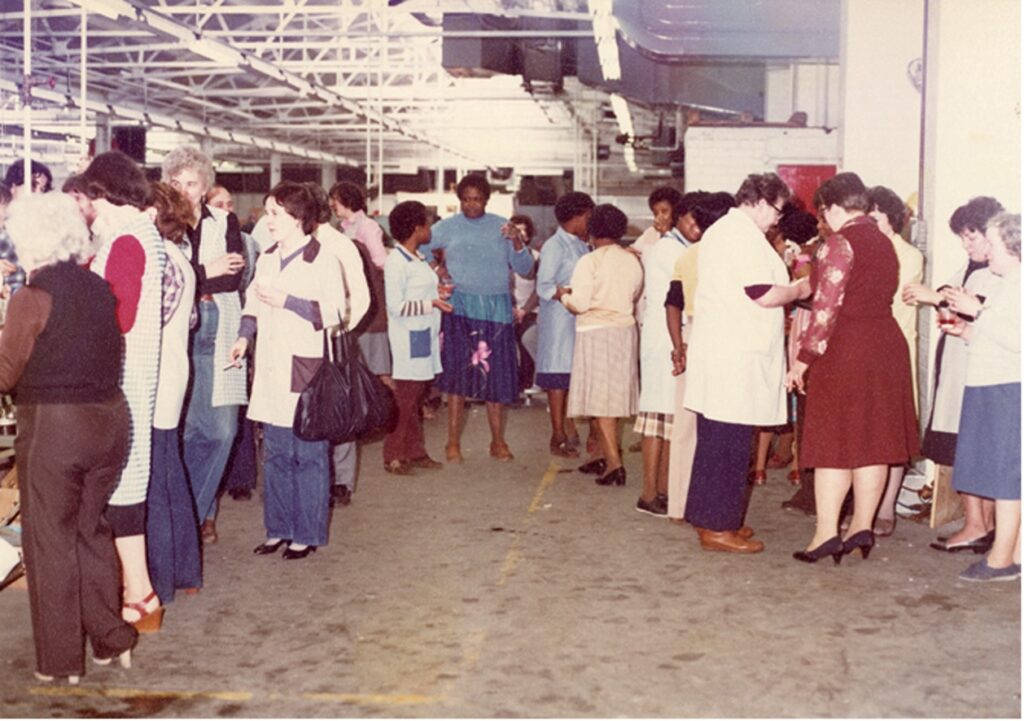
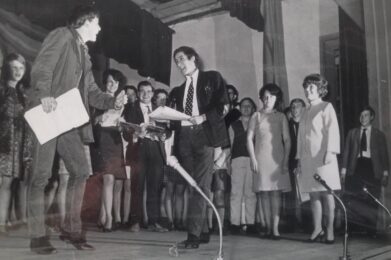
Trico, again American, manufactured windscreen wipers. The factory became famous for a lengthy strike for equal pay, led by the 400 women who worked there and with ten of their male colleagues striking in solidarity. After 21 weeks on strike, the longest strike for equal pay in the UK, the company finally agreed to meet their legal requirements and the women returned to work.
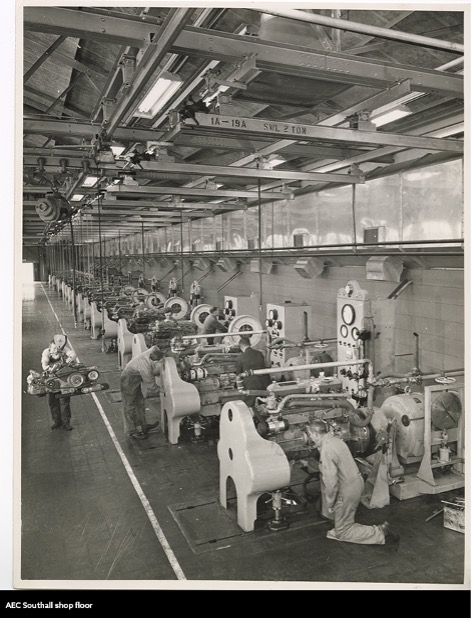
AEC was a British vehicle manufacturer that built buses (including Routemasters), motorcoaches and trucks, and by the 1930s was one of Southall’s main employers. It was a major employer for recent migrants to the UK and reflects how the community dealt with migration changes in the area.
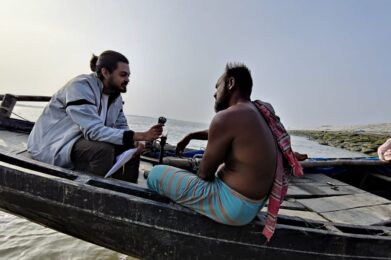
The objective was to draw together material for an online exhibition while giving local people an opportunity to talk about their time working in these factories. Much of the work was done by a small team of volunteers; as someone who’s retired but with some experience of interviewing and an interest in local history, I was lucky enough to work on the project, with my focus being the Firestone factory. The project was very ably managed by Ishwari Giga (Curatorial and Collections Assistant) with training in oral history interviewing provided by Sarah Lowry (Oral History Consultant).
After initial desk research using the archives at Gunnersbury Park Museum and the local history archives at Hounslow Library as well as other internet sources, we were able to interview nine people who had worked at one of the factories. People with experience of working at these factories were found initially through a lady called Sally Groves who was instrumental in the Trico strikes and had written a book about that experience (‘Trico: A Victory to Remember’). Other people came forward when they saw publicity about the project. In fact, the nature of employment at the time meant that some people had worked in more than one factory or had relatives who had done so and were able to share those stories.
After reading so much about these factories and their history, it was quite inspirational to meet and interview people with first hand memories of what working conditions and race relations were like, what it was like to be out on strike for so long and how the demolition of an iconic building affected the local community. The participants were invited in to the museum on several occasions, to chat, to view the relevant parts of the museum’s collection and to take part in one-to-one interviews. They really enjoyed the opportunity to meet up and to share their experiences and it gave us the chance to get to know them. We hope other people may come forward with their stories as a result of the publicity around the exhibition.
As volunteer oral historians, we learned the basics of interviewing and recording and then the use of software to edit our sound files to provide clips suitable for use in the exhibition. We also wrote the initial drafts of the text to be used in the exhibition. These can be listened to and seen on our exhibition website: https://www.visitgunnersbury.org/museum/online-exhibitions/temples-of-industry/
Having studied History of Art for my degree, many years ago, and having spent many hours visiting exhibitions, I found it especially interesting to be involved in putting an exhibition together. It felt great to learn new skills, meet new people and make a useful contribution to a local project.
Additionally, a short film based on the interviews was made by Protégé Young Filmmakers and it forms part of the final exhibition.
Do take a look at the online exhibition!