For several years, I have volunteered as a French English interpreter at a refugee-support organization in South Korea. Much of my work involved helping people communicate with officials, understand documents and navigate administrative procedures.
The conversations were often practical. What documents were missing? When was the next appointment? What did a particular question on an application form mean? Over time, however, I began to notice what these conversations left out.
I knew something about the difficulties people faced in Korea, but very little about who they were beyond those difficulties. I could help translate their words without knowing much about the lives behind them. That gap eventually led me to oral history.
Beyond the refugee label
When refugees appear in the news, their stories often begin with conflict, persecution or displacement. These experiences matter, but I wondered what other parts of their lives remained unheard. I was particularly interested in mothers.
Motherhood continues across borders, even when almost everything else changes. Mothers still make decisions about their children, manage everyday responsibilities and think about what they want the next generation to remember. Yet these parts of their lives rarely seem to receive the same attention as their journeys to safety.
In early 2026, I began Mothers Without Borders, an independent oral history project documenting the experiences of refugee mothers living in South Korea. I wanted to ask questions that went beyond why someone had left their country. What had motherhood meant to them before migration? How had their relationships with their children changed? What parts of their former lives had they tried to preserve?
Most importantly, I wanted to understand how they described themselves when the word ‘refugee’ was not the starting point.
Learning to ask different questions
Finding women willing to participate was one of the first challenges. Some had uncertain immigration circumstances, while others were understandably cautious about sharing personal experiences with a student they barely knew.
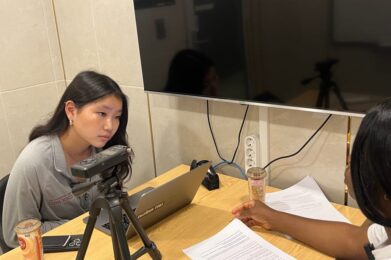
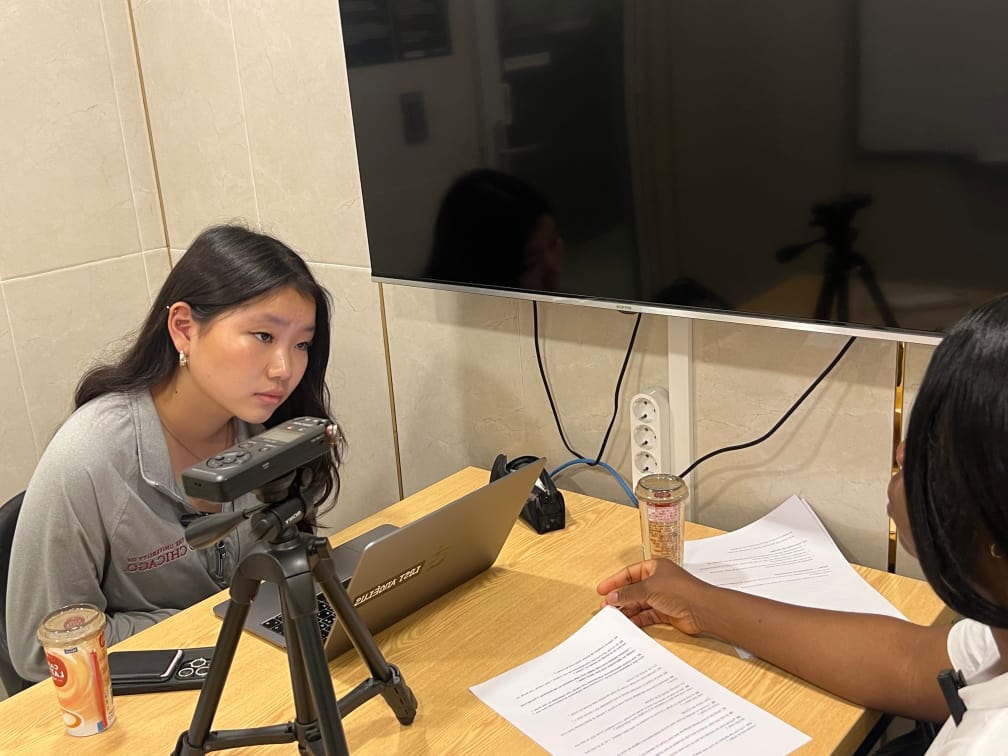
With help from refugee-support networks, I eventually conducted twelve interviews with mothers from different countries and backgrounds. I approached the interviews with prepared questions but quickly learnt that a good conversation did not always follow my outline.
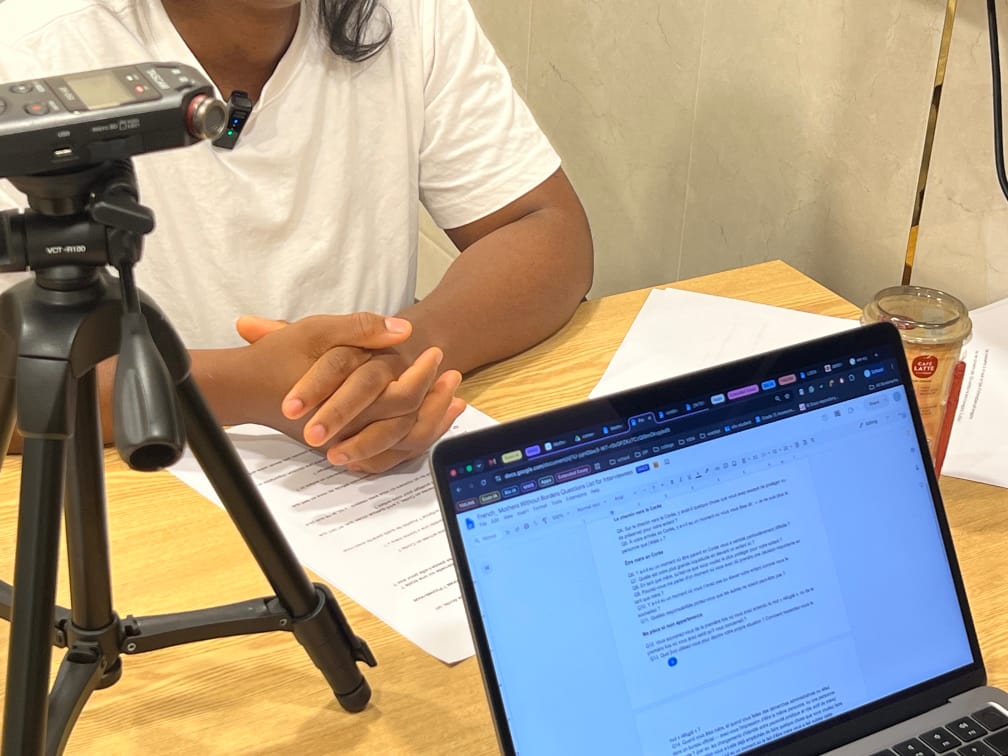
Sometimes an ordinary question about raising children led to a memory about life before migration. A discussion about language difficulties might become a story about friendship, embarrassment or independence. At other times, a question received only a brief answer, and I had to decide whether to ask more or leave it there.
I learnt that listening involved more than allowing someone to finish speaking. It meant paying attention to what mattered to them, even when it differed from what I had expected to hear.
One question I returned to was whether mothers carried responsibilities that even their children might not recognize. It opened conversations about the often invisible work of motherhood: making difficult decisions, managing uncertainty and protecting children from worries they were too young to understand. These were not necessarily dramatic stories. But that was precisely why I wanted to record them.
What silence can tell us
One of the most difficult lessons concerned silence.
Before beginning the project, I tended to think of a successful interview as one that produced detailed answers. I gradually realized that choosing not to tell a story could be just as meaningful as telling it. Some mothers had experiences they had never fully discussed with their children. Others carefully considered which memories should be passed on and which should remain private.
These decisions made me think differently about the relationship between memory and motherhood. A mother might remain silent not because an experience was unimportant, but because she was trying to protect someone, including herself.
As an interviewer, I had to recognize that curiosity did not give me the right to every answer.
This became especially important when preparing recordings and transcripts for public access. Participants could use pseudonyms or remain anonymous, and I took care to minimize identifying information. Consent was not simply a form completed before an interview. It remained part of the process as I considered what could responsibly be shared.
I began to understand that preserving a story also means respecting the boundaries around it.
From recording to sharing
Once the interviews were completed, another question emerged: what should happen to these stories? An archive can preserve valuable material, but preservation alone does not guarantee that anyone will encounter it. I wanted the mothers’ voices to reach people who might never visit an academic archive or read a research paper.
Alongside the digital archive, I began presenting the stories through shorter, more accessible formats, including social media posts, a published book.
Each format created new questions. How much context could be removed before a story lost its meaning? Could a short quotation communicate an experience without reducing a person to a single moment? How could I make the material accessible while respecting the original interviews? These decisions reminded me that the interviewer continues to shape the record long after the recording has stopped.
I could not make the stories entirely free from my own editorial choices. But I could remain conscious of those choices and try to preserve the mothers’ words, priorities and individuality.
Whose history do we hear?
I began Mothers Without Borders because I wanted to understand experiences that were missing from the conversations I had encountered through volunteering. I expected to learn about migration and motherhood. I did, but I also learnt how much the questions themselves determine what becomes part of the historical record.
If we ask only about displacement, we may record a history of departure and arrival. If we also ask about family, work, affection, ordinary routines and difficult decisions, a different history begins to emerge. This does not make displacement less important. It allows us to see how it exists alongside everything else that makes up a person’s life.
I am still learning what it means to practice oral history responsibly. As a student working independently, I know there are limits to what a small project can accomplish.
But the experience has changed the way I listen.
The women I interviewed were not only people who had crossed borders. They were mothers making choices, remembering earlier lives and deciding what to carry into the future. Their histories were already there.
I needed to learn how to ask for them.