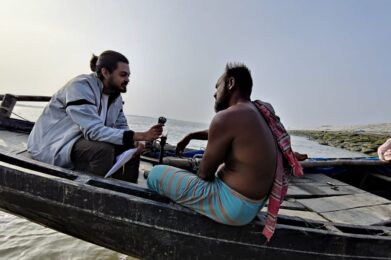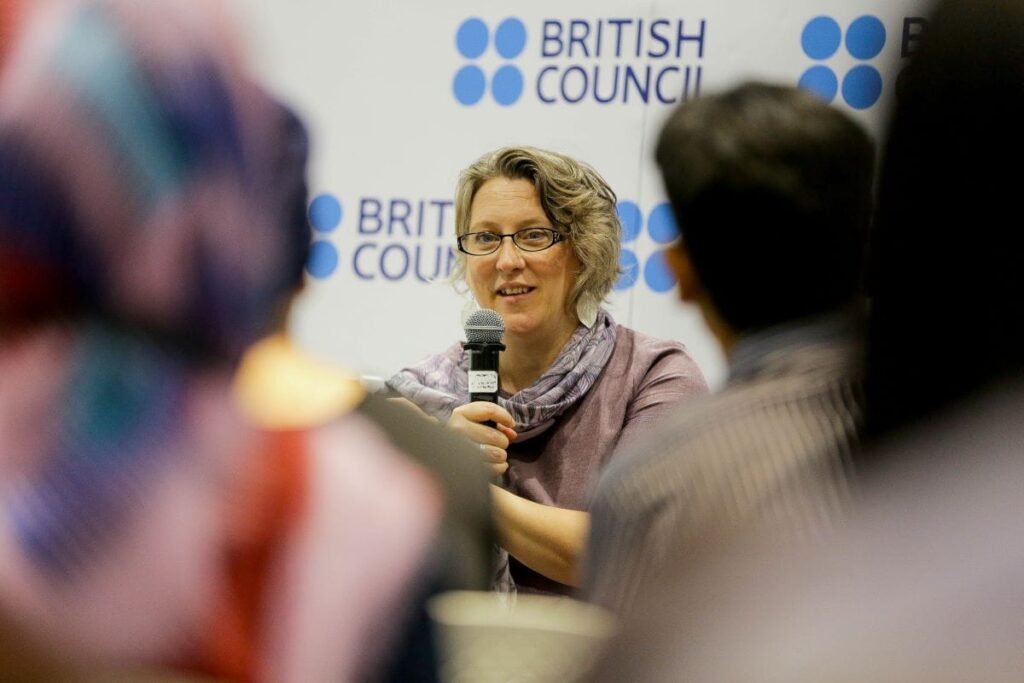
From encounters with the office ‘ghost’ in London to farcical screenings of Carry On… films in Nigeria and the surreal experience of appearing in a Russian romantic comedy – the British Council’s 90th anniversary oral history project has certainly thrown up some leftfield memories for the archive. It has also generated a diverse body of recordings that – aside from the many idiosyncratic anecdotes of the kind referenced above – offers deep insight into questions of widespread resonance today.
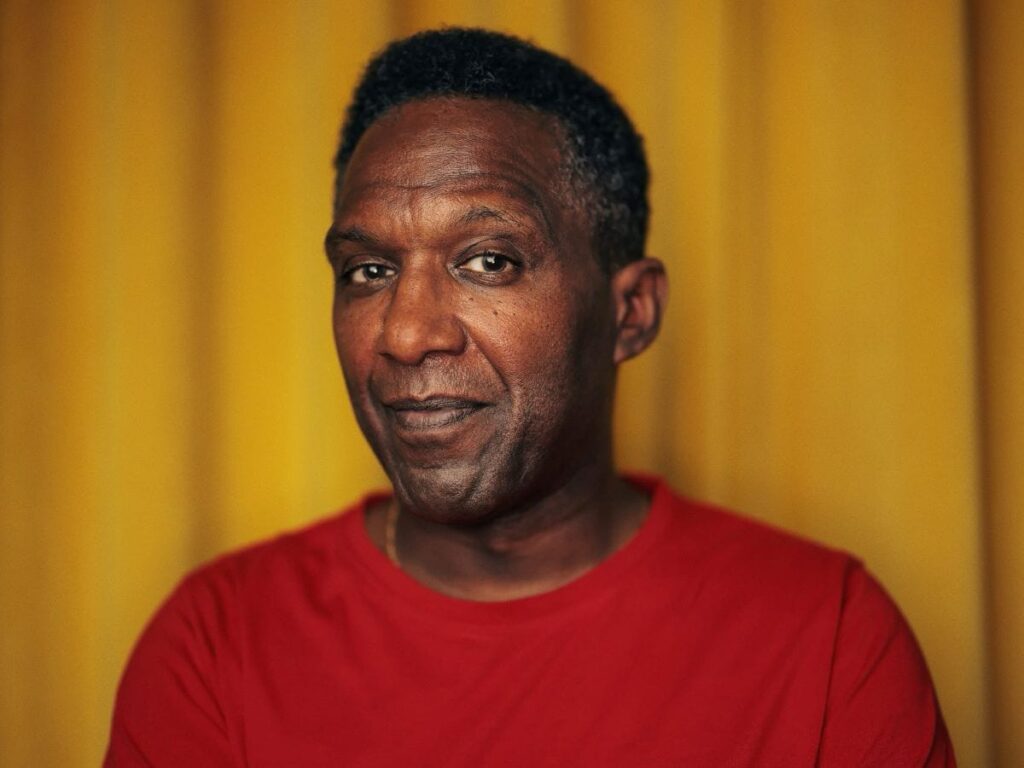
How do you generate the trust required to work together in fractious times? How do you build equitable relationships in an unequal world? How do you navigate ‘politics’ and ‘culture’ and take creative risks in unfamiliar environments? How do you embrace difference whilst staying true to your values? How can we address the legacies of empire in an uncertain and evolving new world order? How do international connections – the process of ‘growing out into the world’ as one interviewee (the poet Lemn Sissay) describes it – impact your sense of self and shape your own practice?
All these questions are central to the mission of the British Council, an organisation that works through arts and education to build connections and understanding between the UK and countries worldwide – and which turns 90 on 5thDecember this year. They lie at the heart of the 26 interviews presented at Oral histories: The British Council in action, a new website sharing summaries and clips from across the new collection. The recordings are also being archived at the British Library, where they will join an existing oral history collection that was compiled as part of our 75th anniversary. Detailed thematic analysis of the two collections is underway – a report will be added to the website in the Spring of 20251.
It certainly has been an insightful experience for me and my fellow interviewers – aided by some superb bespoke training from OHS trainer Sarah Lowry. We are all current British Council staff members and for most, if not all, of us it was our first time ‘behind the recorder’ (whether that was in person or online). Our interviewees (as you can explore on the website) were drawn from around the world, including politicians, artists, educators and other public figures in whose careers the British Council has played a significant role, as well as long serving current and former colleagues. We wanted to shine a light on what we do, how (and why) we do it and what difference it makes to people’s lives.
This means giving space to both the good and the bad, to the moments of inspiring success and impact as well as to those of challenge and discord. Some of our interviewees were there ‘on the ground’ during periods of great historic importance and hope – such as the aftermath of the fall of the Berlin Wall or in post-apartheid South Africa. Others experienced times of extreme stress, including conflict and moments of profound tragedy such as the terrorist attack on our Afghanistan office in August 2011, in which 17 people lost their lives. It feels important to have captured, for the record, incredibly moving reflections on all these experiences.
In many respects, this project was also about creating a different kind of record of what the British Council does. As with any large publicly funded organisation, we have systems and processes in place that help us to evidence the impact of our work and report to funders and stakeholders – but what perhaps gets lost amid the KPIs and Theories of Change, is what the British Council ‘feels like’ and how it has evolved over time. We wanted to tell our story and make it personal and vivid – or rather, we wanted those who have been part of that story to tell it themselves, in their own words.
This is where oral history has proved to be so valuable as a methodology (though I realise I am probably preaching to the converted here!) The open, unscripted approach of oral history was new to many of us. But we recognise that it is in this openness, this freedom, that oral history works its magic. Give someone time and space to reflect, and the memories flow – and the insights flow with them.
That said, the oral history interviewer’s work is of course not done when the interview ends. There are summaries to write and recordings to listen back to (and detailed British Library cataloguing standards to adhere to!) This was the stage where we became, not just record-keepers and note-takers, but analysts. This was where we were able to reflect on what we’d heard from our interviewees and consider its relevance to our project overall. It’s the kind of reflection that we probably don’t do enough as an organisation, caught up as we inevitably are in the ‘doing’, the delivery, the deadlines – and then straight onto the next thing on our ‘to do’ lists.
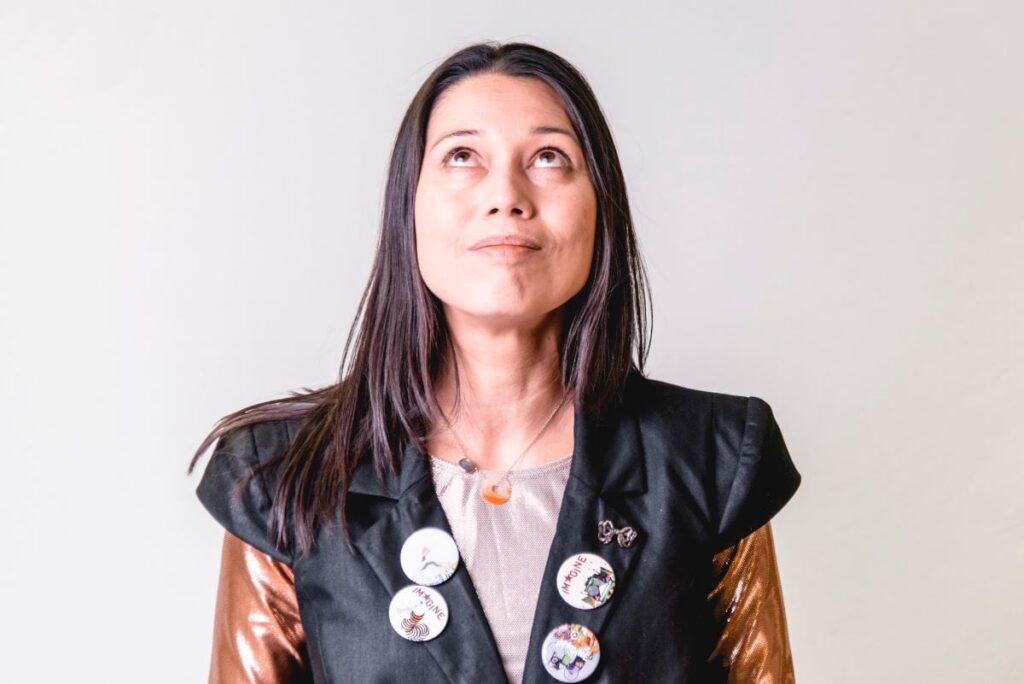
By enabling us to carve out a space for reflection, this project has given us a better, deeper understanding of our organisational ‘backstory’ as well as a newfound appreciation for the achievements of those we support and work alongside. As another interviewer commented: ‘It’s difficult to know where those you’re working with now will end up and what they might do. Learn from everyone, be kind to everyone and hold relationships for as long as you can – they may surprise you.’
‘Learn from everyone’ feels like a good mantra to take from this project. It’s something we’ll be trying to do as we continue our oral history adventures beyond our 90th anniversary – we’re planning a new collection of interviews with long-serving colleagues from around the world as we build up to our centenary. In the meantime, please visit our recent Voices magazine article for some preliminary reflections on common themes across the 90th anniversary interviews, and explore the full collection at Oral histories: The British Council in action.
- The thematic analysis mentioned above is now available at Oral histories: the British Council in action ↩︎