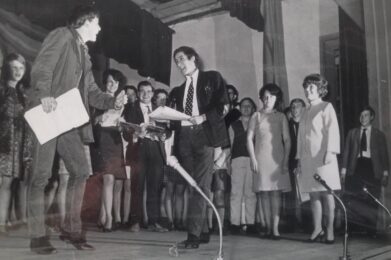
At midnight on the intervening night of 13 and 14 August 1947, Mustafa Ali Hamdani, the first Urdu announcer at Radio Pakistan, announced to the world the dawn of independence. Speaking with The Citizens Archive of Pakistan’s Oral History Project in 2017, writer and poet Agha Salman Baqir spoke of his late father Agha Mohammad Baqir’s role in writing this Urdu transmission, made by what was the then the All-India Radio, Lahore: “My father told me everyone’s hearts were pounding. It was an extremely emotional moment that they were about to announce the birth of a new country.”
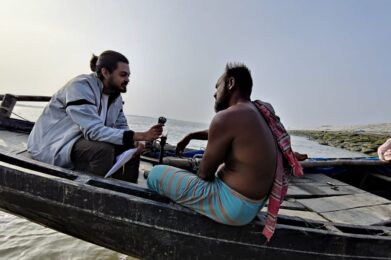
Established sixteen years ago, The Citizens Archive of Pakistan (CAP) embarked on a mission to capture the multifaceted history of the Partition of the Indian Subcontinent in 1947, the largest mass migration ever recorded. Recognising the significance of oral storytelling, we focused on gathering narratives that were often passed down the generations through the oral tradition. CAP utilised these oral histories because of their fluid nature, translating collective memories into data for future generations, and mapping cultural and social cartographies. This mission became even more crucial as the target participant demographic was elderly and passing on.
Mere data collection was not the sole objective. CAP aimed to be more than an archive accessible only to researchers and academics. The organisation sought to create public-facing outputs, disseminating the collected data to reach the general public and foster a sense of pride in citizens for their cultural heritage. We concurrently directed attention to dissemination through exhibitions, festivals, and educational programs.
Within a year of its establishment, CAP initiated School Outreach Tours, engaging with local schools to develop curriculums based on the data collected about the Partition of the Indian Subcontinent and the early years of Pakistan, emphasising cultural inclusivity.
In 2018, the National History Museum (NHM) was inaugurated in Lahore in collaboration with the Parks and Horticulture Authority (PHA). Drawing from CAP’s rich oral history archive, NHM stands as a public resource, offering a tapestry of narratives for both Pakistanis and global visitors.
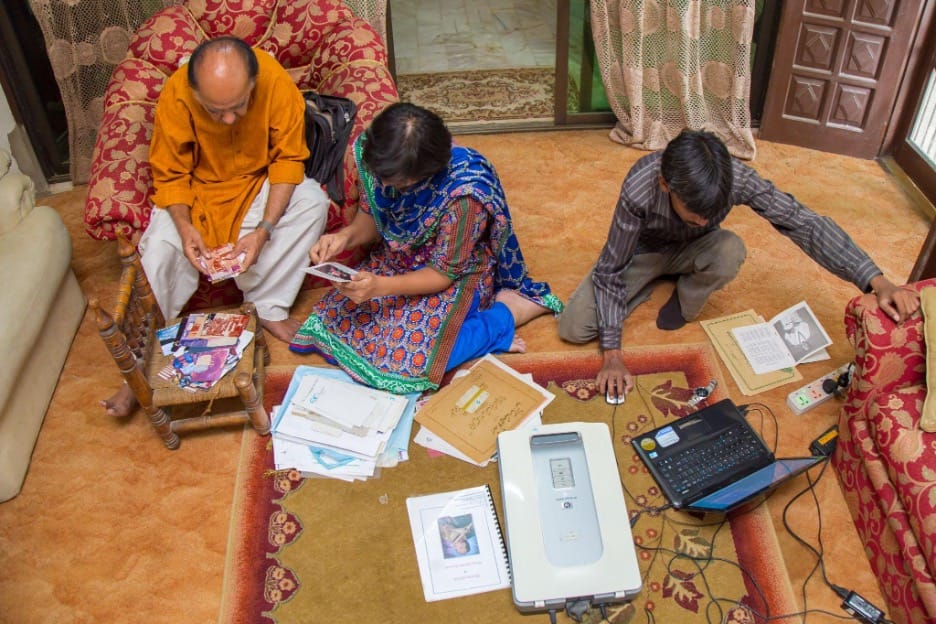
Over time, CAP has expanded its focus and delved into multiple research strands to preserve South Asian history, with a dedicated effort toward recording parallel narratives. To date, CAP has gathered 5000 oral histories and digitised 650,000 documents from public and private records, some even dating back to the 1700s.
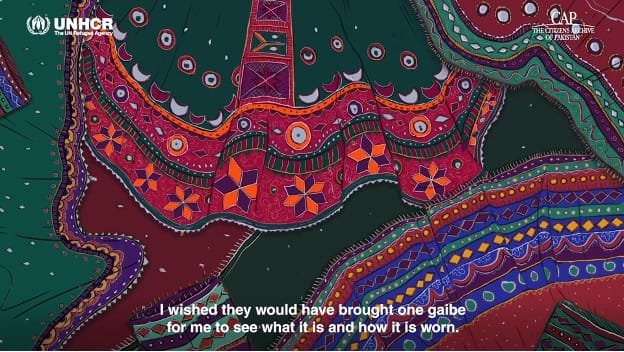
Every voice that is part of Pakistan contributes to its history thus our efforts in creating a platform for national memory include diverse groups. Last year, CAP launched the ‘Afghan Refugee Memory Project’ in collaboration with UNHCR, collecting the oral histories of Afghan refugees and Pakistanis who have hosted the most protracted refugee crisis for 40 years. This project, the first-ever refugee memory platform, explores the intangible heritage of Afghan refugees, memories from their homeland, and the role of the Afghan diaspora in contributing to Pakistan’s craft and cultural sphere. As part of the project, CAP was invited to create from the data collected in this project, three illustrated videos to be exhibited at the Global Refugee Forum in Geneva, that focus on music, dance, hospitality, and crafts in Afghan culture.
Recognising the vulnerability of archives in Pakistan due to a lack of training, CAP believes in sharing its knowledge with other organisations to preserve cultural heritage. In 2023, in collaboration with the British Council’s Cultural Protection Fund, CAP hosted two two-day archival training workshops in Karachi, Lahore, and Peshawar. These workshops aimed to equip participants with the skills to collect, preserve, digitise, organise, and disseminate data, emphasising the importance of oral histories.
Conducted by Aaliyah Tayyebi, CAP’s then Head of Research and Digital Archiving, and Sultan Ali, CAP’s then Senior Project Manager for its Oral History Project, these workshops included specially developed video guides based on extensive interviews and research. The workshops also featured insights from experts like Paras Mahmood Shah and Faqir Syed Saifuddin, providing valuable perspectives on archival paper restoration and preserving the history of Lahore through personal histories, storytelling, and material memory.
Around 70 participants attended all three workshops, with CAP conducting extensive outreach across the country to invite attendees from Sindh, Balochistan, Punjab, and Khyber Pakhtunkhwa. Post-workshops, CAP continues to mentor attendees, supporting skills uptake and the effectiveness of this capacity-building effort to preserve cultural heritage across Pakistan.
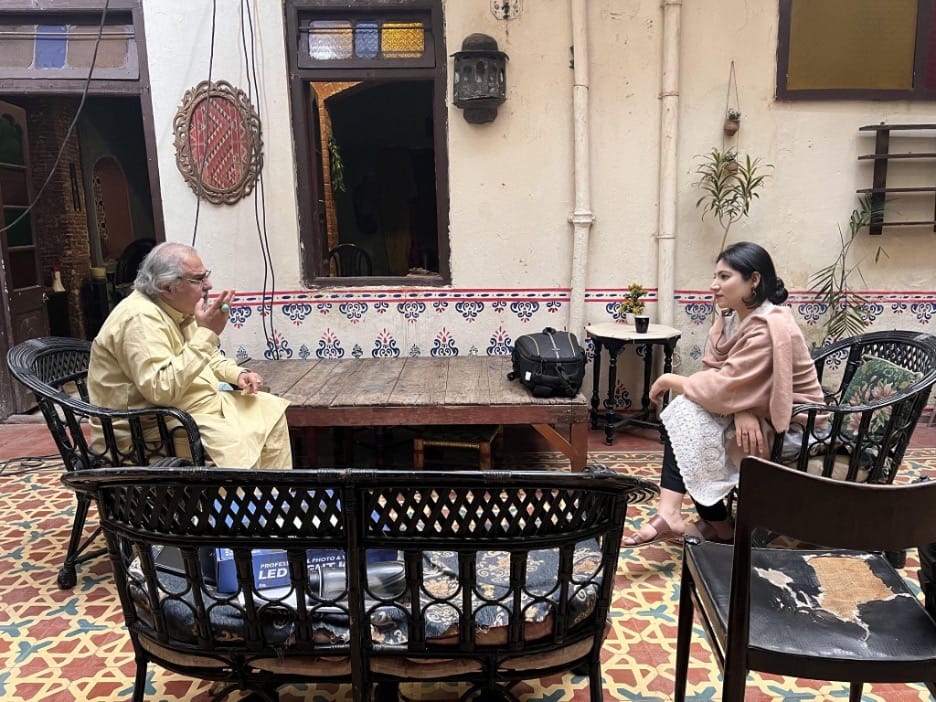
In retracing the footsteps of South Asian history, CAP has uncovered the profound impact of storytelling, as vividly expressed in Agha Salman Baqir’s recollection of the birth of a nation through his father’s words. As CAP continues to gather oral histories, disseminate data, and mentor fellow organisations, the echoes of these stories resonate, reminding us that the threads of cultural preservation weave a tapestry that transcends time and borders, fostering a profound connection to our collective past.