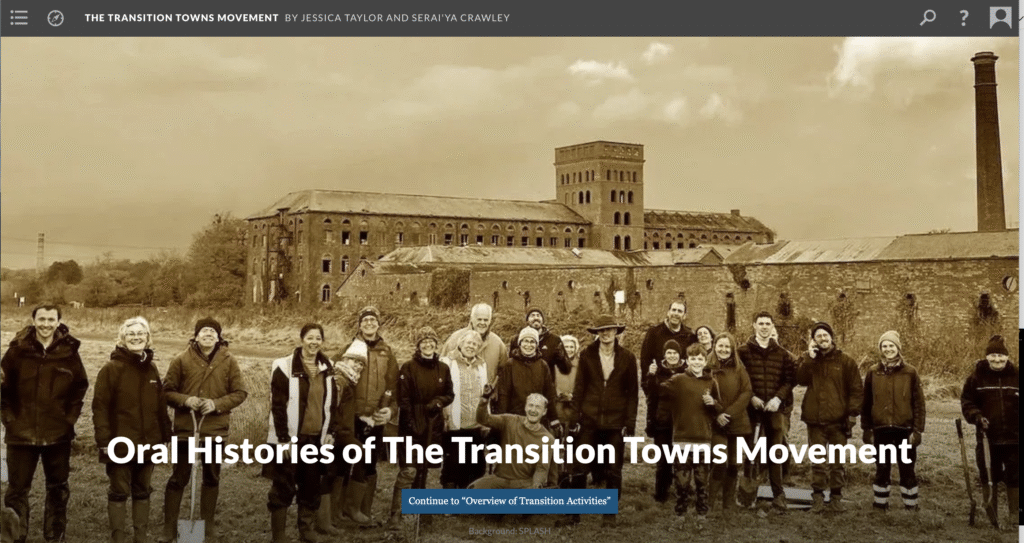
It was the summer of 2023. A small and unusually international group of members of the Environment and Climate Crisis Special Interest Group (ECC-SIG) were gathered together at the OHS Conference. We were asking ourselves what more we wanted the SIG to focus upon. The world map of ECC-related oral histories was already up and running, as was the series of online seminars. What else did we want to achieve? How about, as well as documenting and discussing what was happening elsewhere, we actually ran a project ourselves? And if we wanted to do that, what would be a good example of ECC-related work that was taking place in many parts of the world?
And so was born the International Oral History of the Transition Movement.
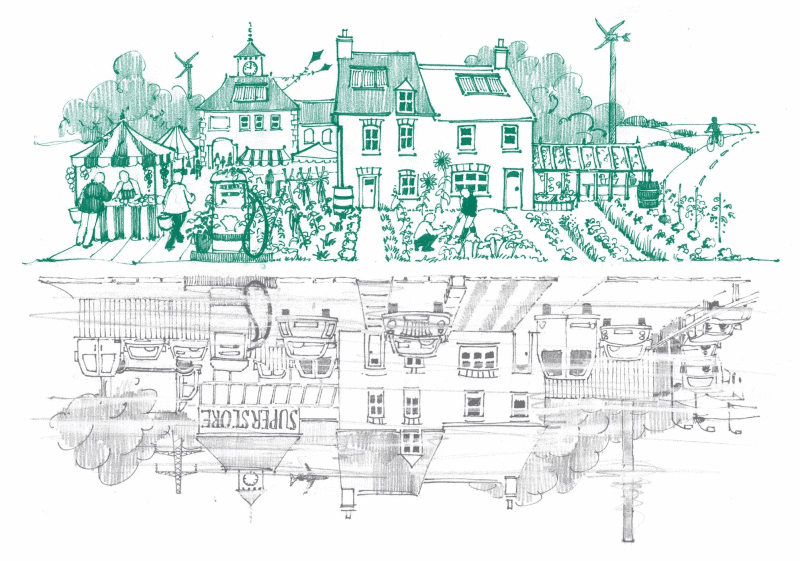
The Transition Movement was found in 2005 by Rob Hopkins in the west of England. It soon spread across the country and then around the world; there are now ‘transition towns’ in 48 countries. To quote from the website of the Transition Network, ‘Community-led Transition groups are working for a low-carbon, socially just future with resilient communities, more active participation in society, and caring culture focused on supporting each other. Their approach is based in the Transition Principles. In practice, they are using participatory methods to imagine the changes we need, setting up renewable energy projects, re-localising food systems, and creating community and green spaces.’
We began with people from 4 countries: the UK, France, Norway and the USA. We were very aware that these were not particularly representative of the movement – they were simply the people at the meeting who had shown enthusiasm for the idea. The intention was to use this collaboration as a pilot project, to show what we could achieve, so that we would then be in a position to apply for funds for a much larger project.
Early in the project we had a meeting with Rob Hopkins. Ours is not an official history of the movement, but it was good to have Rob’s approval and encouragement.
Over the last 2 years we have held a total of 18 online meetings where we have come together. We agreed that each contributing project should carry out its work in its own way. So at Virginia Tech in the USA, there was already a wonderful programme of interviews taking place, led by Jessica Taylor, and these were now re-focused. Transition Town Wellington was approached as one of the most active and successful of transition towns in the UK. Led by Anita Roy and Anita Corbin, they responded tremendously positively to the idea. A large and enthusiastic group of local volunteers turned up for oral history training. In France 2 academic oral historians, Simona Tobias and Andrew Milnes, set about making contact with local people involved in transition activities. In Norway the Memoar oral history organisation began video interviewing people involved in the movement. Through all of this Padmini Broomfield was also ever-present, contributing suggestions and making sure that the OHS Trustees were kept abreast of developments.
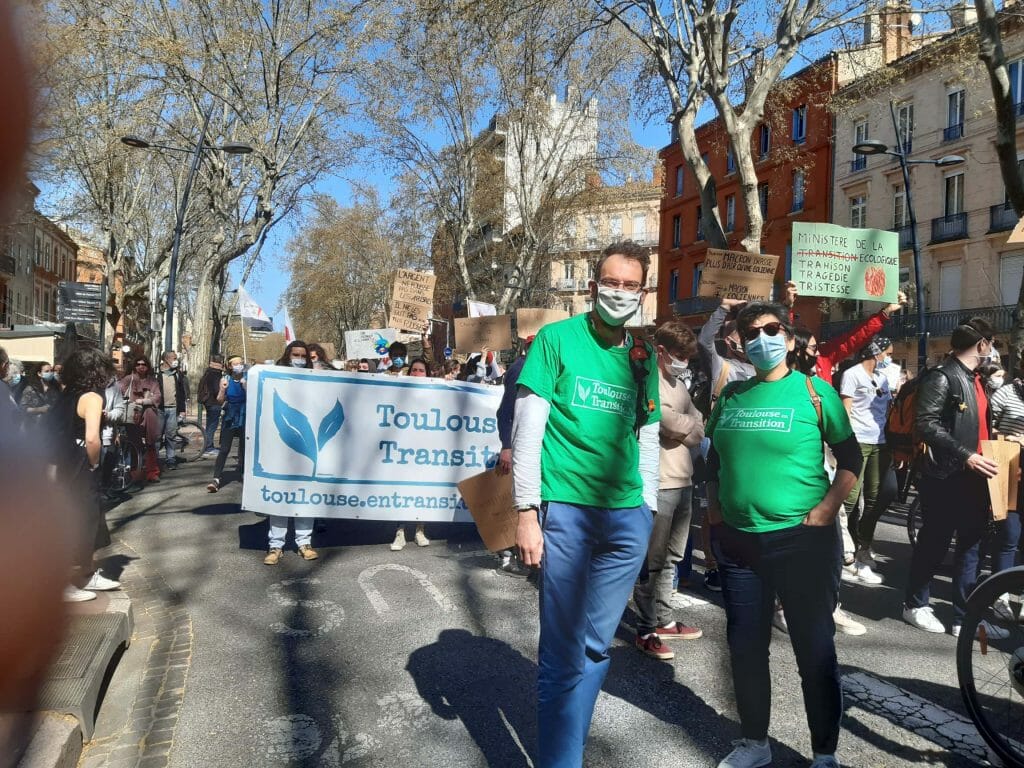
It was not all plain sailing. As the work developed we exchanged ideas and discussed challenges. In France, for example, a particular challenge involved the gatekeepers to local organisations, and an apparent reluctance on the part of those gatekeepers to give the interviewers access to grassroots activists.
Priorities at Memoar eventually changed and they dropped out of the consortium. However, contact had been made through them with people in Sweden, and it is hoped that they will be joining us in the future. Kelly Hydrick, of the Climate Stories Project in the USA, had also been involved initially but eventually felt she had to withdraw. For a brief period it seemed that there might be a contribution from Ireland, but this did not materialise as its potential leader, Jaime Patriarca, left the country.
Over the last 9 months we have turned out attention to creating a joint website. This is not the only product from the project – the interviews are being archived in each country and Transition Town Wellington are putting together a local exhibition which will include the wonderful photo portraits of the interviewees, taken by Anita Corbin – but it is the one collective product that we agreed to produce. Very fortunately Virginia Tech has a great deal of experience in this area, and they have been extremely generous with both their expertise and their time. A brilliant post-grad student, Serai’ya Crawley, set about transcribing, summarising and editing many of the interviews, and there followed long discussions about precisely which themes were emerging and how these should be represented on the website. Serai’ya designed the website and – as the whole endeavour had been instigated and co-ordinated by the SIG – the OHS agreed that it should be viewable via a link on the ECC-SIG section of the OHS website. The website went live in May 2025.
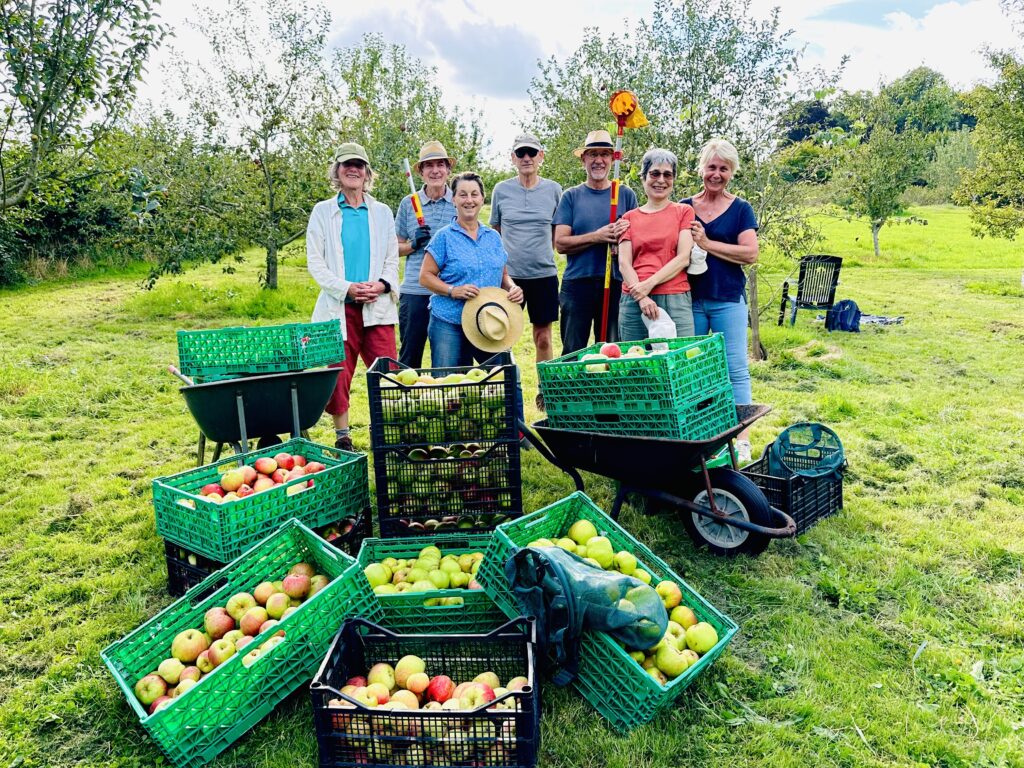
Themes which emerged from the narratives included taking local action on the climate, the importance of community, connecting with nature, building hope and ways of facing the future. Along with expressions of fear there are also inspiring stories, often expressed with a determination to make positive change happen. So far we have been entirely unfunded, though we have of course benefited hugely from contributions in kind. However, in the autumn of 2025 we intend to come together again, this time to plan funding applications for a much wider oral history of the movement worldwide. We believe this is an important step in the documentation of environmental and climate action.